


The Truth About Calcium Buildup: Why It Happens & How to Prevent It
Fri, Nov 28th, 2025
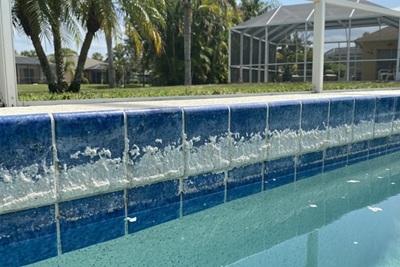
If you’ve ever noticed rough, white, chalky spots forming along your pool tile, the waterline, or even on your pool equipment, you’re looking at calcium buildup. It’s one of the most common pool issues in Florida — and one of the most misunderstood.
The good news? Calcium buildup is completely preventable with the right maintenance routine. Here’s everything homeowners need to know about what causes it, why Florida pools are especially prone to it, and how to stop it before it becomes a costly problem.
What Is Calcium Buildup?
Calcium buildup — also called scale — is a hard, crusty deposit of minerals that forms when the water becomes imbalanced. Florida’s naturally hard water contains higher levels of minerals like calcium and magnesium, which makes pools throughout the region more prone to scale.
There are two main types of calcium deposits:
1. Calcium Carbonate (White & Flaky)
- The most common
- Brushes off more easily
- Forms when pH and alkalinity drift too high
2. Calcium Silicate (Grey & Hard)
- Much tougher and older
- Usually requires professional removal
- Indicates scale has been building for months or even years
Both types can damage surfaces and equipment if not addressed early.
Why Southwest Florida Pools Get More Calcium Buildup
Living in Florida means sunshine, salt air, and warm weather — but those same conditions can also create the perfect environment for scale.
Here’s why:
- Harder Water: Florida is known for hard water, which contains naturally higher calcium and mineral content. When this water evaporates in the heat, it leaves minerals behind on your tile and surfaces.
- Year-Round Sunlight: The more the sun heats your pool, the more quickly water evaporates — and the more concentrated calcium becomes.
- Warm Temperatures: Heat causes chemical levels (pH and alkalinity) to rise faster, which is a major trigger for scale formation.
- Saltwater Pools: Salt cells naturally increase pH levels. If saltwater pools aren’t monitored closely, scale will form much faster inside the salt cell, reducing performance.
- Neglected Balancing: Even small chemical imbalances over time can lead to visible scale.
Where Calcium Buildup Usually Shows Up
You’ll most commonly notice scaling in the following places:
- Along the waterline tile
- On pool ladders, rails, and light fixtures
- Inside salt cells
- On the pool surface (plaster, pebble, or fiberglass)
- Around waterfalls or spillovers
- Inside heaters and pumps
If scale reaches your equipment, it can restrict water flow, reduce heater efficiency, and shorten the life of expensive components.
Why You Should Remove Calcium Buildup Quickly
Many homeowners shrug off the “white stuff” as just part of owning a pool, but ignoring it can lead to bigger issues:
✔ Damage to tile and surfaces: Scale can etch tile, make surfaces rough, and cause permanent staining.
✔ Reduced equipment efficiency: Calcium inside a pool heater or salt cell makes it work harder — and uses more energy.
✔ More algae growth: Scale’s rough texture gives algae a place to cling and grow.
✔ Higher long-term costs: Once buildup becomes thick or hardened, professional removal becomes harder and more expensive.
Addressing it early always saves time and money.
How to Prevent Calcium Buildup in Your Pool
Now for the good news — calcium buildup is totally preventable with consistent care. Here’s what Sweetwater recommends:
1. Keep pH and Alkalinity in the Ideal Range: This is the single biggest factor in preventing scale.
- pH: 7.2 – 7.6
- Total Alkalinity: 80 – 120 ppm
- Calcium Hardness: 200 – 400 ppm
When pH and alkalinity creep too high, minerals fall out of the water and stick to surfaces.
2. Use a Professional Weekly Service (Like Sweetwater)
Weekly testing and adjustments make the biggest difference — especially in the Florida heat where chemicals shift rapidly.
At every visit, Sweetwater Pool Service balances:
- pH
- Alkalinity
- Chlorine
- Stabilizer
- Salt levels
- Calcium hardness
This helps stop scale before it ever forms.
3. Brush Tile and Waterline Regularly
Even with perfect balance, minerals will settle naturally. Light brushing prevents buildup from drying into a hard, crusty layer.
4. Maintain Salt Cells
Salt systems raise pH naturally, which means scale can form inside the cell. Routine cleaning and inspection prevent performance problems.
5. Use a Scale-Control Product When Needed
For pools with especially hard water or high evaporation, Sweetwater Pool Service may recommend a mineral sequestrant to keep calcium suspended in the water rather than on your tile.
6. Monitor Water Evaporation
Hot, windy, or dry conditions cause faster water loss. As water evaporates, minerals concentrate — increasing scale risk.
Keeping the pool full helps slow mineral concentration.
How Sweetwater Pool Service Can Help Remove Calcium Buildup
If calcium has already formed, professional removal may be needed. Sweetwater Pool Service offers:
✔ Waterline Tile Scale Removal: Safe methods to restore tile without damage.
✔ Surface Descaling: Removing deposits from plaster, pebble, or fiberglass surfaces.
✔ Salt Cell Cleaning & Inspection: To restore efficiency and improve chlorine production.
✔ Preventive Balancing & Monitoring: To stop scale from returning once it’s removed.
Every pool is different — and Sweetwater Pool Service customizes the approach to protect your surfaces and equipment.
Final Thoughts
Calcium buildup is extremely common in Florida pools — but it doesn’t have to be a constant battle. With the right water balance, routine brushing, and professional monitoring, you can keep your tile, equipment, and surfaces crystal-clean year-round.
If you’re noticing white spots, rough patches, or buildup inside your equipment, Sweetwater Pool Service is here to help.