


Is Pool Water Hard on Aging Skin?
Tue, Dec 23rd, 2025
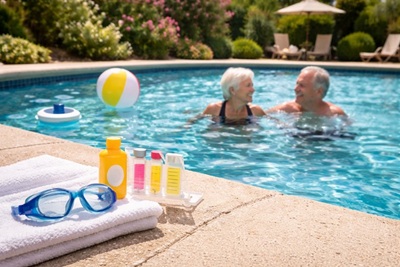
As we age, our skin naturally changes. It becomes thinner, produces less natural oil, and loses some of the collagen that once kept it firm and resilient. Because of these changes, many older adults—and caregivers—wonder whether swimming is still a good choice, especially when it comes to chlorine exposure and skin irritation.
At Sweetwater Pool Service, we hear this concern often. The good news? Swimming remains one of the best low-impact activities for older adults, and with the right pool care and skin-friendly habits, it can be both safe and enjoyable.
Let’s bust a few myths and talk about how to protect aging skin while still enjoying the benefits of a well-maintained pool.
Why Aging Skin Reacts Differently to Pool Water
As skin matures, it becomes more delicate and prone to dryness. The outer layer of the skin doesn’t hold moisture as effectively, and natural repair processes slow down. That’s why older swimmers may notice:
- Dryness or tightness after swimming
- Increased sensitivity to chemicals
- Itching or flaking
- Irritation around the eyes or neck
Pool water itself isn’t the enemy: Improper water balance is. A well-maintained pool with balanced chemistry is far less likely to cause irritation than one that is over-chlorinated or poorly filtered.
Pool Myth: “Chlorine Is Always Bad for Your Skin”
Myth. Chlorine is essential for keeping pool water safe and sanitary. The real issue isn’t chlorine itself—it’s excess chlorine or unbalanced water chemistry.
When chlorine levels are too high or when chloramines (chlorine byproducts) build up, swimmers may experience dryness or irritation. This can be especially noticeable for aging or sensitive skin.
That’s why professional pool maintenance matters. Proper testing, filtration, and chemical balance make a significant difference in swimmer comfort.
Simple Skin-Protection Tips for Older Swimmers
Whether you swim daily or occasionally, these habits can help minimize skin dryness and irritation:
1. Rinse Before Entering the Pool
A quick shower before swimming helps hydrate the skin, reducing how much pool water it absorbs. This simple step can make a noticeable difference.
2. Use a Protective Barrier
Applying a light layer of lotion or oil before swimming creates a temporary barrier between your skin and the water. There are even products designed specifically for swimmers.
3. Shower Soon After Swimming
Rinsing off promptly helps remove chemical residue. Use lukewarm water and a gentle cleanser—no harsh scrubbing needed.
4. Moisturize Right Away
Apply a rich moisturizer while skin is still slightly damp. Products containing ceramides or hyaluronic acid help restore the skin’s natural barrier and lock in hydration.
5. Protect Hair and Scalp
Wearing a swim cap reduces direct exposure and helps prevent dryness around the hairline, neck, and back.
6. Stay Hydrated
Drinking plenty of water throughout the day supports skin health from the inside out.
Are Saltwater Pools Better for Sensitive or Aging Skin?
This is one of the most common questions we get—and the answer is often yes, depending on the individual and the pool’s maintenance.
How Saltwater Pools Work
Saltwater pools still use chlorine, but instead of adding it manually, a generator converts salt into chlorine at lower, steadier levels. This typically results in:
- More consistent sanitation
- Fewer harsh chemical swings
- Reduced chlorine odor
Why Many Swimmers Prefer Saltwater
Many people describe saltwater pools as feeling “softer” on the skin. Because chlorine levels are more stable and chloramine buildup is reduced, swimmers often experience:
- Less dryness
- Less eye irritation
- Fewer skin reactions
For older adults or those with sensitive skin, eczema, or dryness issues, saltwater systems can be a more comfortable option.
Pool Myth: “Saltwater Pools Have No Chlorine”
Myth. Saltwater pools do contain chlorine—it’s just generated differently and typically at lower levels. The benefit isn’t chlorine elimination; it’s better control and consistency.
A properly maintained saltwater pool still needs professional care to ensure safe, balanced water.
Why Professional Pool Maintenance Matters
Balanced water chemistry is the key to swimmer comfort—especially for aging skin. When pH, alkalinity, chlorine, and filtration are properly managed, irritation is far less likely.
Professional pool service helps ensure:
- Chlorine stays within safe, comfortable ranges
- pH levels don’t dry out skin
- Filtration removes irritating byproducts
- Water remains clear, clean, and safe
At Sweetwater Pool Service, our goal isn’t just clean pools—it’s pools that people enjoy using.
Swimming Is Still One of the Best Exercises for Older Adults Despite concerns about skin sensitivity, swimming remains one of the healthiest activities for aging bodies. It offers:
- Low-impact movement
- Joint support
- Improved circulation
- Muscle strengthening
- Stress relief
With proper skin care habits and a well-maintained pool, there’s no reason to give up swimming due to skin concerns alone.
Comfort Comes Down to Balance
Aging skin doesn’t mean swimming is off-limits. It simply means paying attention—to both skin care and pool care.
By combining good swimmer habits with professionally maintained water, older adults can continue enjoying the physical and mental benefits of swimming without unnecessary discomfort.
If you have questions about water balance, saltwater systems, or how to make your pool more comfortable for all swimmers, Sweetwater Pool Service is here to help.