


How to Protect Your Pool Cage & Equipment from Florida Storm Damage
Thu, May 28th, 2026
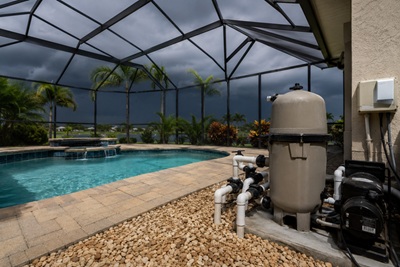
Living in Southwest Florida means enjoying beautiful weather, sunshine, and backyard pool days nearly year-round. However, it also means preparing for Florida’s intense storm season. Heavy rain, strong winds, tropical storms, and hurricanes can all take a serious toll on your pool cage, pool equipment, and outdoor living space if you are not properly prepared.
Your swimming pool is a major investment, and taking proactive steps before storm season arrives can help prevent costly repairs, equipment damage, and unnecessary downtime. Here are some important ways Florida homeowners can protect their pool cage and pool equipment during severe weather.
Inspect Your Pool Cage Before Storm Season
Your pool cage acts as the first line of defense for your outdoor area, but even small issues can become major problems during high winds. Before storm season begins, inspect your pool enclosure carefully for:
- Loose or missing screws and fasteners
- Rust or corrosion
- Bent framing
- Loose panels or damaged screens
- Weak connections around doors and corners
Even minor structural weaknesses can worsen quickly during tropical storms or hurricanes. Addressing repairs early can help strengthen the cage and reduce the risk of major storm damage.
If you notice visible wear or structural concerns, it is best to contact a professional before the next storm approaches.
Trim Trees and Landscaping Around the Pool Area
One of the most common causes of storm damage is falling branches and flying debris. Trees that hang over the pool cage or equipment area can become dangerous during high winds.
Trim back:
- Overhanging branches
- Dead or weak limbs
- Palm fronds
- Loose landscaping materials
Reducing debris around your pool area can help minimize the risk of tears in the screen enclosure, dented framing, and damaged equipment.
Secure Outdoor Furniture and Loose Items
Patio furniture, umbrellas, pool toys, planters, and outdoor décor can quickly become airborne during strong storms. Before severe weather arrives:
- Bring lightweight furniture indoors
- Secure heavier items
- Remove pool floats and toys
- Store umbrellas and cushions
- Secure loose gardening equipment
Flying debris can damage both the pool cage and your home’s windows and siding.
Protect Your Pool Equipment
Your pool pump, filter system, heater, automation system, and electrical components are all vulnerable during storms.
To help protect your equipment:
Turn Off Power to Equipment
If a major storm or hurricane is approaching, shut off power to your pool equipment at the breaker. This can help reduce the risk of electrical damage from power surges or flooding.
Avoid Covering Equipment with Plastic Tarps
While it may seem like a good idea, wrapping equipment tightly with plastic can trap moisture and sometimes worsen damage. Pool equipment is designed for outdoor conditions, but flooding and debris remain major concerns.
Clear Drainage Areas
Ensure the area around your equipment pad drains properly. Standing water can damage motors, electrical systems, and other components.
Consider Elevating Equipment
If your home is in a flood-prone area, elevating certain pool equipment may help protect it from water damage during severe storms.
Keep Your Pool Water Properly Balanced
Many homeowners focus only on physical storm preparation and forget about water chemistry. However, balanced pool water plays an important role during storm season.
Before a storm:
- Adjust chlorine levels
- Balance pH and alkalinity
- Clean skimmer baskets
- Vacuum debris from the pool
- Backwash or clean the filter if needed
Heavy rain can quickly dilute pool chemicals and introduce contaminants into the water. Starting with balanced water helps reduce problems after the storm passes.
Should You Lower the Pool Water Level?
Many homeowners mistakenly drain large amounts of water before a storm. In most cases, this is not recommended.
A pool should generally remain full because the water helps stabilize the structure against underground pressure. Draining too much water can potentially damage the pool shell, especially during periods of heavy rain and saturated ground.
Instead, allow your pool’s overflow systems and drainage to handle excess rainwater naturally.
Remove Screen Panels if Necessary
In some severe hurricane situations, homeowners may choose to remove select screen panels ahead of the storm to reduce wind pressure on the enclosure structure.
However, this decision depends on:
- Storm intensity
- Cage design
- Property location
- Manufacturer recommendations
This should only be done carefully and strategically if advised by a professional.
After the Storm: Inspect Everything Carefully
Once conditions are safe, inspect your pool area thoroughly for:
- Torn screens
- Bent aluminum framing
- Fallen debris
- Flooding near equipment
- Damaged plumbing or electrical lines
- Pool water contamination
Avoid turning pool equipment back on immediately if flooding occurred around the equipment pad. Electrical systems should be inspected if water exposure is suspected.
Also remove debris from the pool as soon as possible to prevent staining and filtration problems.
Professional Pool Inspections Matter
Storm preparation is much easier when your pool equipment and enclosure are already in good condition. Routine inspections and maintenance can help identify small problems before they become expensive repairs after a storm.
At Sweetwater Pool Service, we help Southwest Florida homeowners keep their pools operating safely and efficiently year-round. From equipment inspections and maintenance to helping identify potential issues before storm season, proactive care can make a major difference.
Protect Your Investment Before the Next Storm
Florida storms are unpredictable, but preparing your pool area ahead of time can help reduce stress, damage, and repair costs. By strengthening your pool cage, securing outdoor items, maintaining proper water chemistry, and protecting your equipment, you can help your pool recover more quickly after severe weather passes.
A little preparation today can save you significant time and money tomorrow.