


How Long Should Pool Equipment Last? A Florida Homeowner's Guide
Wed, Jul 29th, 2026
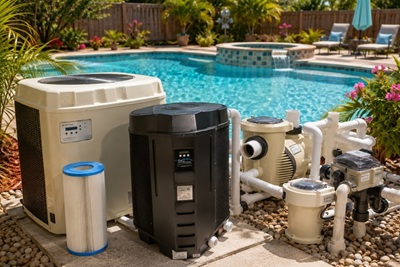
Your swimming pool is one of the biggest investments in your home, and the equipment that keeps it clean and running smoothly works hard every day. In Southwest Florida, pool systems operate almost year-round, which means pumps, filters, heaters, and other components experience much more wear than they would in colder climates. Understanding the expected lifespan of your pool equipment can help you plan for future replacements, avoid unexpected breakdowns, and protect your investment.
While no two pools are exactly alike, proper maintenance and routine inspections can significantly extend the life of your equipment. Here's what every pool owner should know.
Pool Pumps: The Heart of Your Pool
The pool pump is often called the heart of the pool because it circulates water through the filtration system, helping to keep the water clean and properly balanced. A quality variable-speed pump typically lasts between 8 and 12 years, although proper maintenance can sometimes extend its life.
If your pump begins making loud grinding noises, struggles to maintain water flow, leaks around the motor, or suddenly causes your electric bill to increase, it may be nearing the end of its service life. While some repairs are worthwhile, older pumps that require major repairs are often better replaced with newer, energy-efficient models that can reduce monthly operating costs.
Pool Filters Keep Your Water Crystal Clear
Your filter works alongside the pump to remove dirt, debris, and microscopic particles from your pool water. Depending on the type of filter you own, the expected lifespan can vary.
Cartridge filter tanks generally last 8 to 10 years, while the filter cartridges inside usually need replacement every 2 to 3 years, depending on usage and maintenance.
Sand filters are known for their durability and often last 15 to 20 years. However, the filter sand itself gradually loses its effectiveness and typically should be replaced every 5 to 7 years.
DE (Diatomaceous Earth) filters generally provide excellent filtration and often last 10 to 15 years, although internal grids and seals may eventually require replacement.
Keeping your filter clean and maintaining proper water chemistry helps reduce stress on the entire circulation system.
Salt Chlorine Generators
Many Florida homeowners enjoy the comfort of saltwater pools. While the control unit may last for many years, the salt cell itself slowly wears out as it produces chlorine.
Most salt cells last between 3 and 7 years, depending on how heavily the pool is used and how well the water chemistry is maintained.
If you notice lower chlorine production, recurring "Inspect Cell" messages, or the need for frequent cleanings, it may be time to have your system evaluated.
Pool Heaters
A pool heater can extend your swimming season and make your pool much more enjoyable during Florida's cooler months. The lifespan depends on the type of heater installed.
Gas heaters generally last 7 to 12 years, while electric heat pumps often provide 10 to 15 years of reliable service.
Regular cleaning, proper water balance, and annual inspections can help maximize the life of either type of heater.
Pool Automation Systems
Today's automation systems make owning a pool easier than ever. Many homeowners can control pumps, lighting, water features, and heating directly from their smartphone.
Most automation systems last 10 to 15 years, although software updates and newer technology continue to improve convenience and efficiency. If your automation system becomes unreliable or incompatible with newer equipment, upgrading may offer both improved performance and additional features.
LED Pool Lights
Modern LED pool lights have become increasingly popular because they use far less electricity than older incandescent bulbs while producing brighter, more vibrant lighting.
Most LED pool lights last 10 to 15 years, making them an excellent long-term investment. Besides improving nighttime visibility, color-changing LED lights can completely transform the appearance of your backyard and create an inviting atmosphere for entertaining family and friends.
Water Chemistry Matters More Than You Think
Many homeowners don't realize that water chemistry plays a major role in equipment longevity. Water that is too acidic can slowly corrode metal components, while water with excessive calcium can create scale buildup inside heaters, salt cells, and plumbing.
Properly balanced water reduces unnecessary wear on pumps, heaters, filters, and plumbing while helping your entire pool system operate more efficiently. Routine professional service helps identify small chemistry issues before they become expensive equipment problems.
Florida's Climate Is Tough on Pool Equipment
Unlike many parts of the country, Florida pools rarely get a long offseason. Pumps often run every day throughout the year, and intense sunlight, high humidity, frequent rainstorms, and occasional tropical weather all place additional demands on pool equipment.
Because of these conditions, regular inspections become even more important. Catching a small leak, replacing a worn seal, or cleaning a dirty filter can prevent larger and more expensive repairs later.
Repair or Replace?
One of the most common questions pool owners ask is whether they should repair an aging piece of equipment or replace it altogether. The answer depends on several factors, including the equipment's age, the cost of the repair, energy efficiency, and the likelihood of future breakdowns.
For example, if an older pump is already approaching ten years of age and requires a costly motor replacement, investing in a new variable-speed pump may provide better long-term value through lower energy costs and improved reliability. On the other hand, newer equipment with a minor issue can often be repaired quickly and economically.
A professional inspection can help determine which option makes the most financial sense.
Protect Your Investment
Pool equipment is designed to provide years of dependable service, but like any mechanical system, it won't last forever. Understanding the expected lifespan of each component allows you to budget for future replacements, avoid unexpected downtime, and keep your pool operating at its best.
At Sweetwater Pool Service, we help homeowners throughout Southwest Florida maintain their pools with professional inspections, preventative maintenance, equipment repairs, and honest recommendations. Whether your equipment needs a simple repair or it's time to upgrade to newer technology, our experienced team is here to help.
If you're unsure about the condition of your pool equipment, contact Sweetwater Pool Service today to schedule a professional equipment evaluation. A little preventative maintenance today can help you avoid costly repairs tomorrow.