

Costly Pool Equipment Mistakes SWFL Homeowners Make
Fri, Feb 27th, 2026
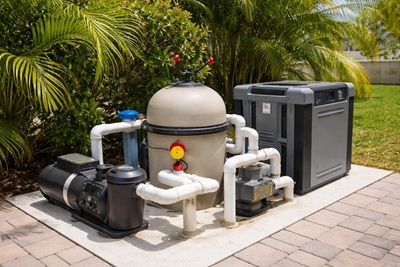
Owning a pool in Southwest Florida is a luxury — but it also comes with unique challenges. Between intense UV exposure, heavy summer rains, high humidity, salt air, and near year-round usage, pool equipment in SWFL works harder than in most parts of the country.
At Sweetwater Pool Service, we regularly see expensive equipment failures that could have been prevented with small adjustments or routine inspections. The frustrating part? Most of these breakdowns start as minor issues that go unnoticed.
Here are the costliest pool equipment mistakes we see Southwest Florida homeowners make and how you can avoid them.
1. Running the Pump Too Short — or Too Long
Your pool pump is the heart of your system. It keeps water circulating, distributes chemicals, and prevents algae growth. But improper run time is one of the most common mistakes we encounter.
Running the pump too little can result in poor circulation, chemical imbalance, cloudy water, and algae growth especially in our hot SWFL climate where water temperatures rise quickly.
On the other hand, running your pump too long doesn’t necessarily mean cleaner water. It can:
- Increase your electric bill significantly
- Add unnecessary wear to motor components
- Shorten the lifespan of the pump
With variable-speed pumps now common in Florida, programming matters. The goal is balanced circulation not maximum runtime. A properly calibrated pump schedule can save hundreds of dollars per year and extend the life of your equipment.
2. Ignoring Small Leaks Around Equipment
A small drip might not seem urgent. But over time, even minor leaks can cause major damage. We often see:
- Dripping unions
- Cracked PVC fittings
- Loose pump lids
- Suction-side air leaks
- Heater bypass leaks
Water intrusion near motors and electrical components can lead to corrosion and internal damage. What might have been a simple seal replacement can turn into a pump motor replacement costing thousands.
Additionally, suction leaks introduce air into the system, reducing efficiency and straining the pump. If you notice bubbles in your return jets or your pump losing prime, it’s time to have it inspected.
Catching small leaks early is one of the easiest ways to avoid major equipment repairs.
3. Waiting Too Long to Clean or Replace Filters
Your filter plays a crucial role in protecting your entire pool system. When filters are neglected, pressure builds and that pressure strains your pump and plumbing.
Common filter-related mistakes include:
- Letting cartridge filters become overly clogged
- Not backwashing sand filters properly
- Failing to recharge DE filters
- Ignoring high pressure readings
High pressure doesn’t just affect water clarity. It increases internal system strain, which can shorten the life of your pump and even cause plumbing failures.
In Southwest Florida, with frequent storms and heavy debris, filters can clog faster than many homeowners expect. Routine maintenance keeps your system operating efficiently and prevents unnecessary stress on expensive equipment.
4. Improper Equipment Installation or Cheap Replacement Parts
We occasionally service pools where equipment was installed improperly or repaired using low-quality parts. Common issues we see include:
- Undersized pumps for pool size
- Incorrect plumbing configurations
- Poor electrical wiring practices
- Inadequate heater ventilation
- Off-brand seals and fittings
Improper installation can void warranties and create safety hazards. Using lower-grade parts may save money short-term but often leads to premature failure.
Pool systems are engineered to work together. When components are mismatched or installed incorrectly, efficiency drops and wear increases. Professional installation protects both performance and longevity.
5. Skipping Annual Equipment Inspections
Many homeowners wait until something breaks before calling for service. Unfortunately, by the time equipment stops working, the damage is often extensive.
An annual equipment inspection can identify early warning signs such as:
- Worn motor bearings
- Corrosion beginning inside heaters
- Electrical panel issues
- Automation malfunctions
- Slow-developing leaks
- Pressure irregularities
Preventative inspections allow small problems to be corrected before they turn into emergency repairs.
In Southwest Florida, salt air and humidity accelerate corrosion, especially in exposed equipment pads. Even systems that appear clean can have internal deterioration that isn’t visible without inspection.
Routine evaluation protects your investment and reduces the likelihood of costly surprises.
6. Underestimating the Impact of SWFL Weather
Florida pools face unique environmental stressors:
- Intense UV exposure breaks down plastics and wiring insulation
- Salt air accelerates corrosion
- Heavy rain dilutes chemicals and stresses filtration systems
- Hurricanes and tropical storms can disrupt plumbing and automation
Equipment here simply doesn’t age the same way it does in cooler climates.
Understanding how weather affects your pool system allows you to make proactive decisions whether that’s adjusting pump schedules during peak summer heat or ensuring your equipment pad is storm-ready.
7. Delaying Repairs Because “It’s Still Working”
One of the most expensive mistakes is delaying service when equipment shows early symptoms. Unusual noises, higher energy bills, inconsistent heating, or minor water loss are not normal signs of aging, they’re warnings.
For example:
- A loud pump may indicate failing bearings
- Rising energy bills could signal motor inefficiency
- Slow heating may suggest scale buildup in the heater
- Slight water loss might indicate plumbing leaks
Waiting until total failure often results in more extensive damage and higher replacement costs.
Protecting Your Pool Investment
Pool equipment in Southwest Florida works hard often year-round. A well-maintained system can last many years, but small oversights compound quickly in our climate.
The good news? Most costly repairs are preventable.
Regular inspections, proper programming, timely filter maintenance, and professional installation make a significant difference in equipment lifespan and performance.
If you’re unsure whether your system is operating efficiently or if it’s been a while since your equipment was professionally evaluated scheduling an inspection can help you avoid expensive surprises down the road.
Your pool is an investment. Protecting the equipment that keeps it running smoothly is one of the smartest decisions a homeowner can make. Contact Sweetwater Pool Service for all of your swimming pool maintenance and equipment needs!